
image details & ancillary materials






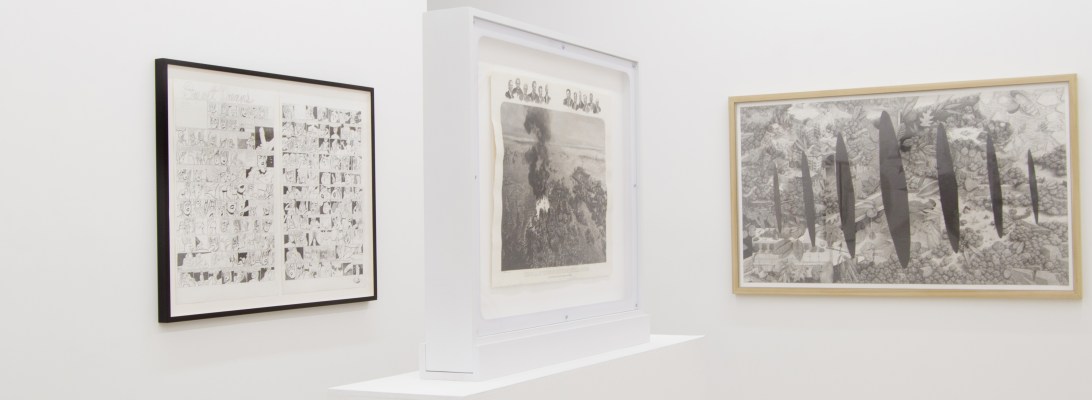
2016 | Group Exhibition |
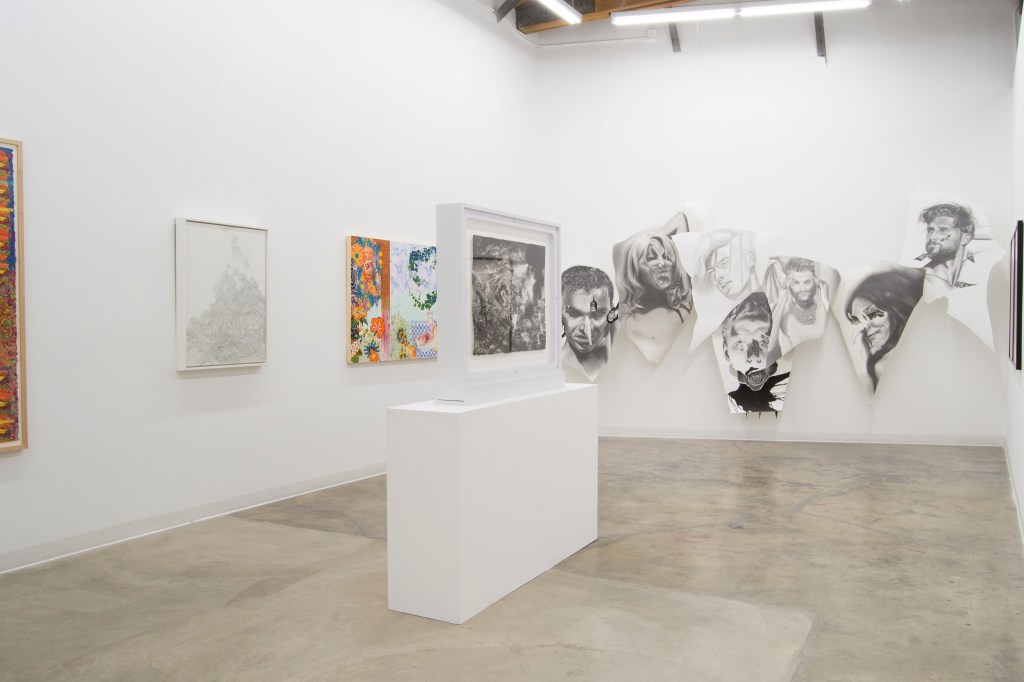
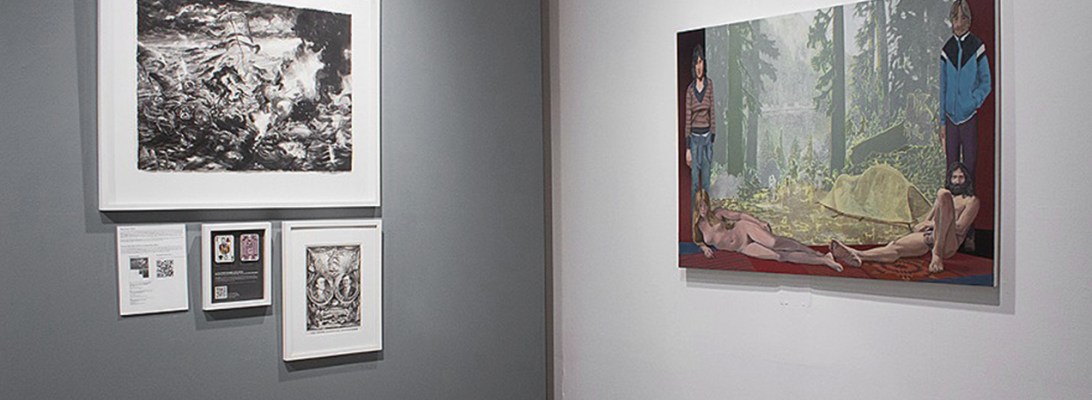
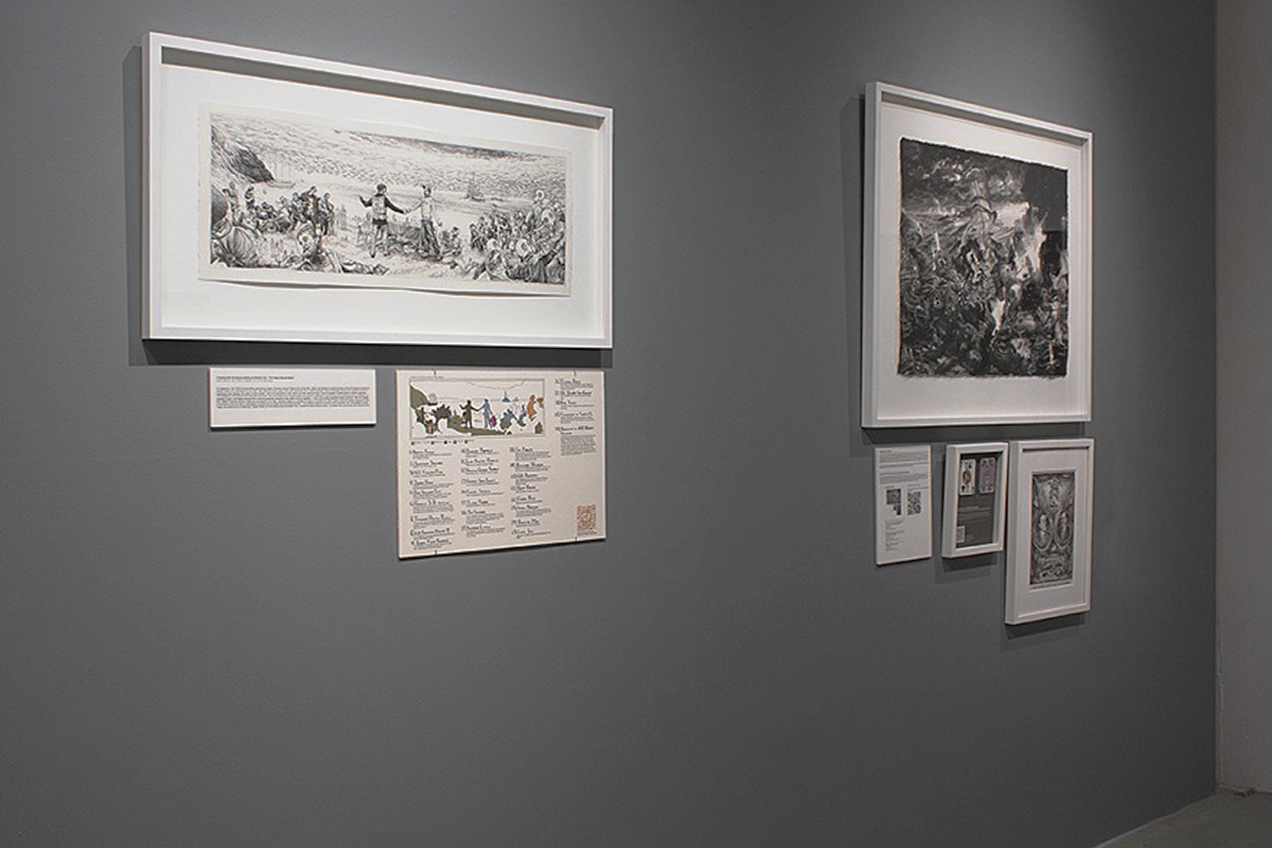
Tight Ass: Labor Intensive Drawing considers realism and the hand drawn image. Realism is not simply reproductive but rather a way in which to reflect on social reality, and within that reflective engagement, a disciplined, labor-intensive approach is sustained with the subject through meticulous technical processes.
Drawing by hand is a signifier for identity and the human condition whether that be executed through the rending of the body itself, the objects we desire, or the environments we either create or destroy.
The approaches bridge differing stylistic categories within realism, however, all the artists are engaged in addressing sociopolitical anxieties, recognizing the conflict between the real and the ideal, and locating imagery where the beautiful clashes with the disturbing.
Curated by Brett Reichman


2015 | Solo Exhibition |
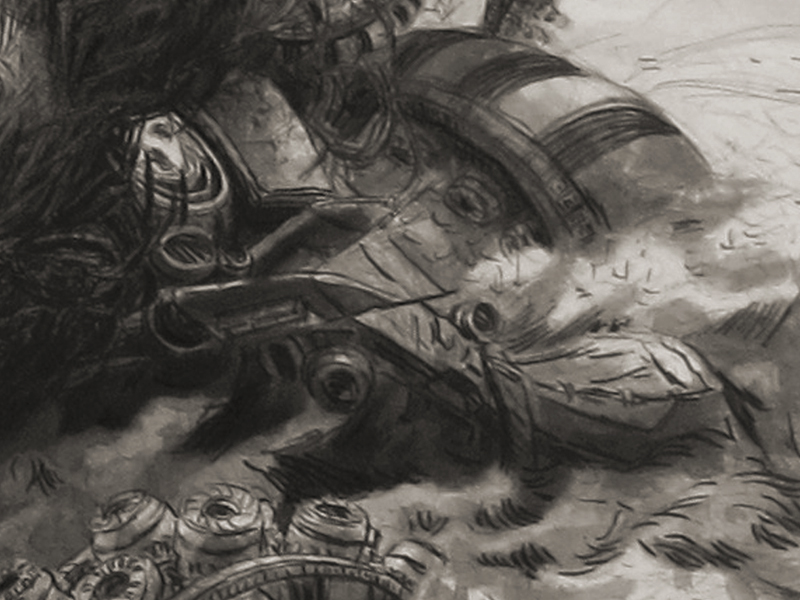
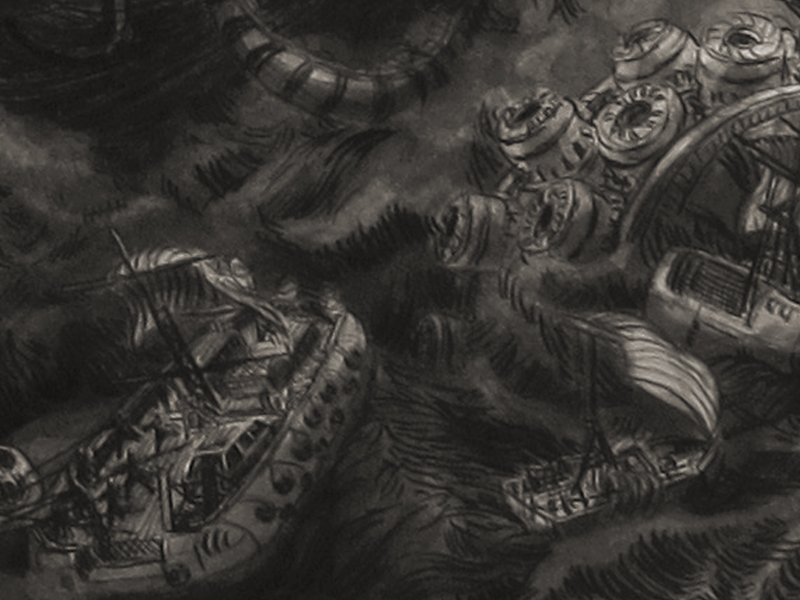
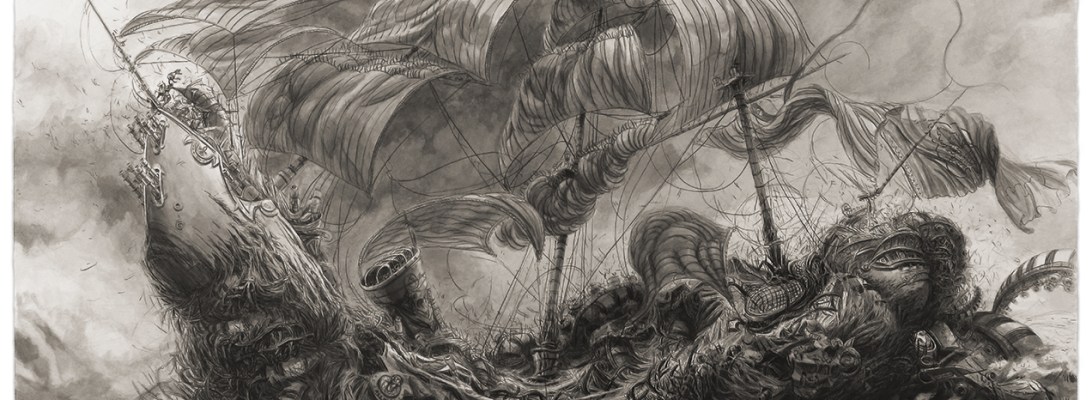
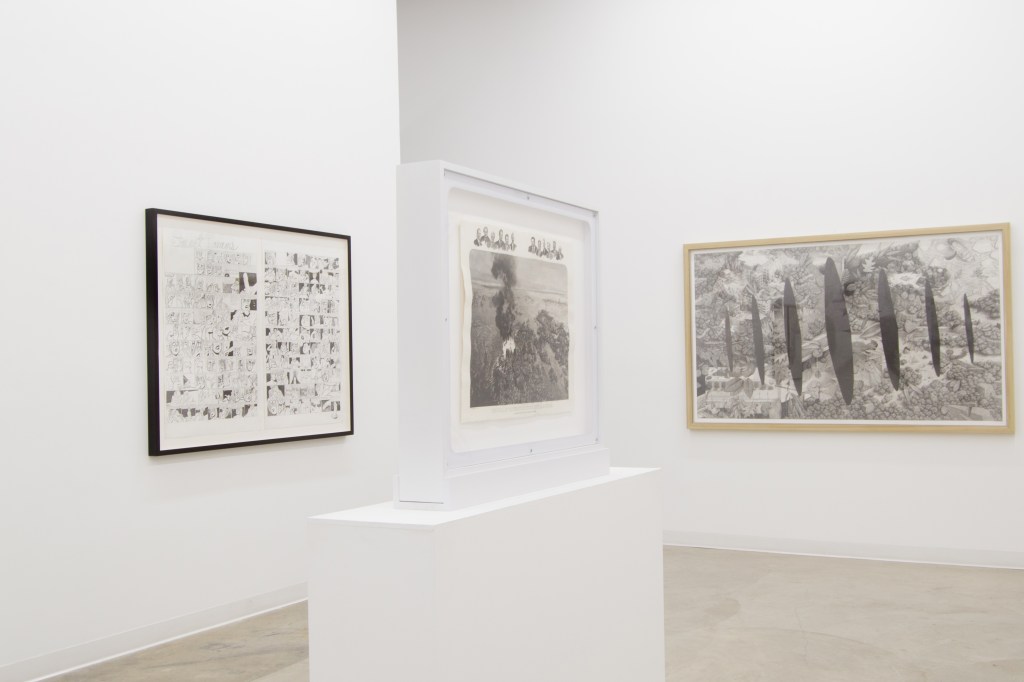
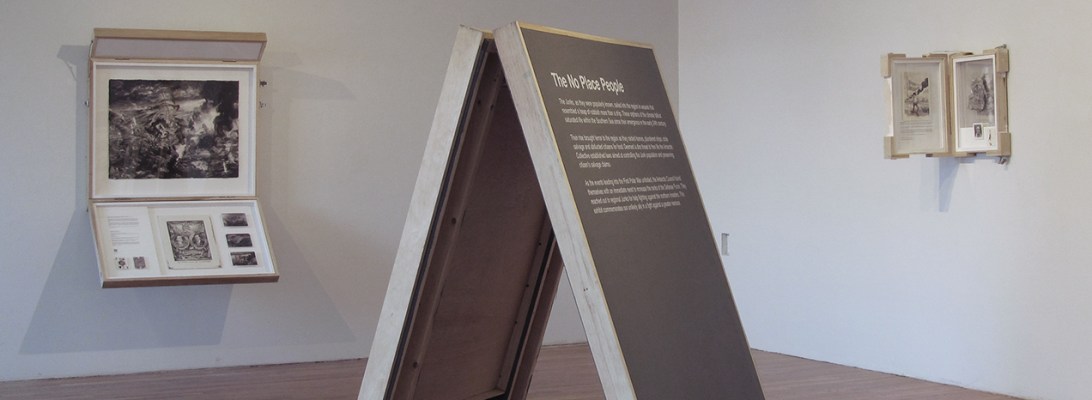
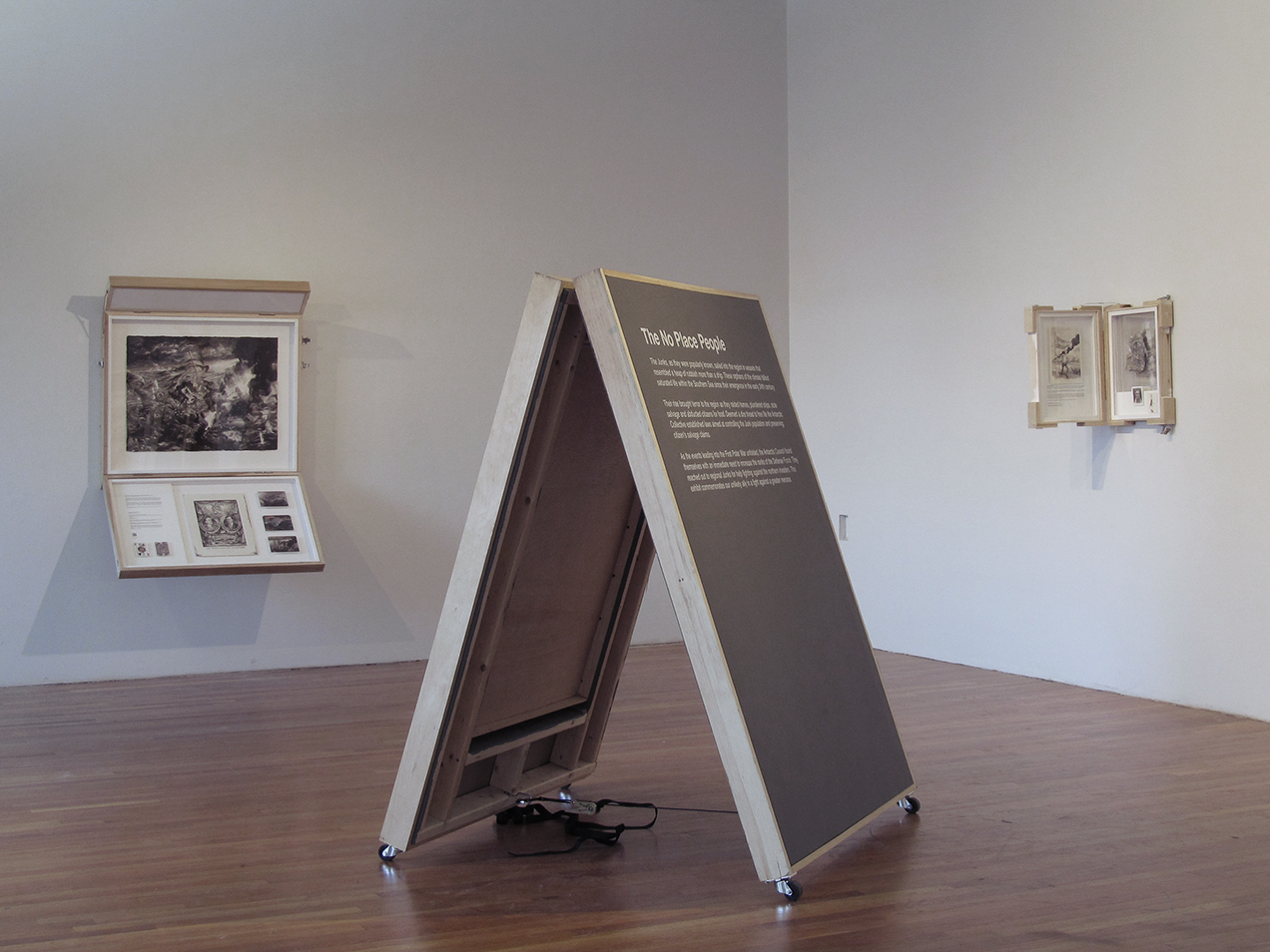
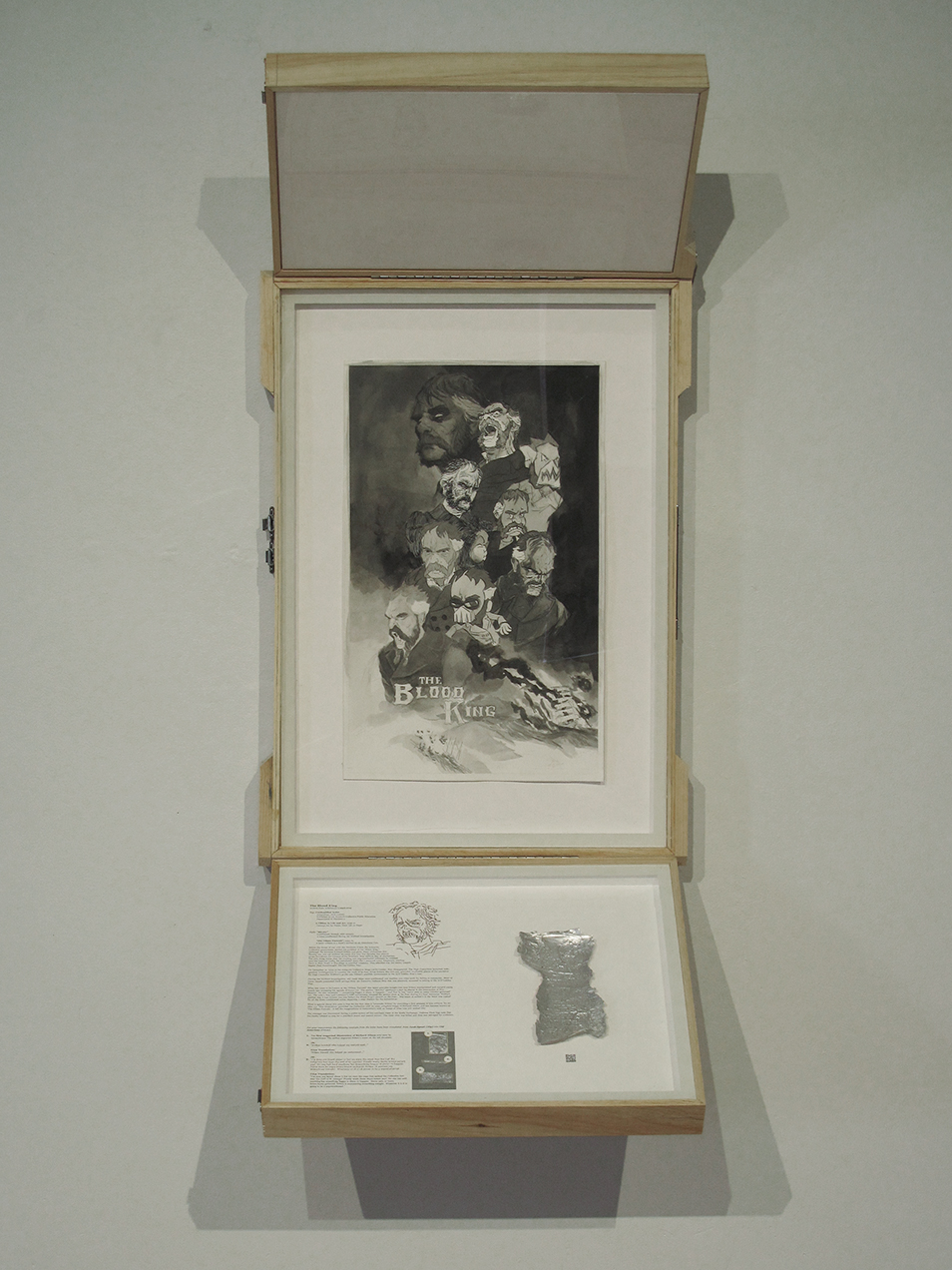
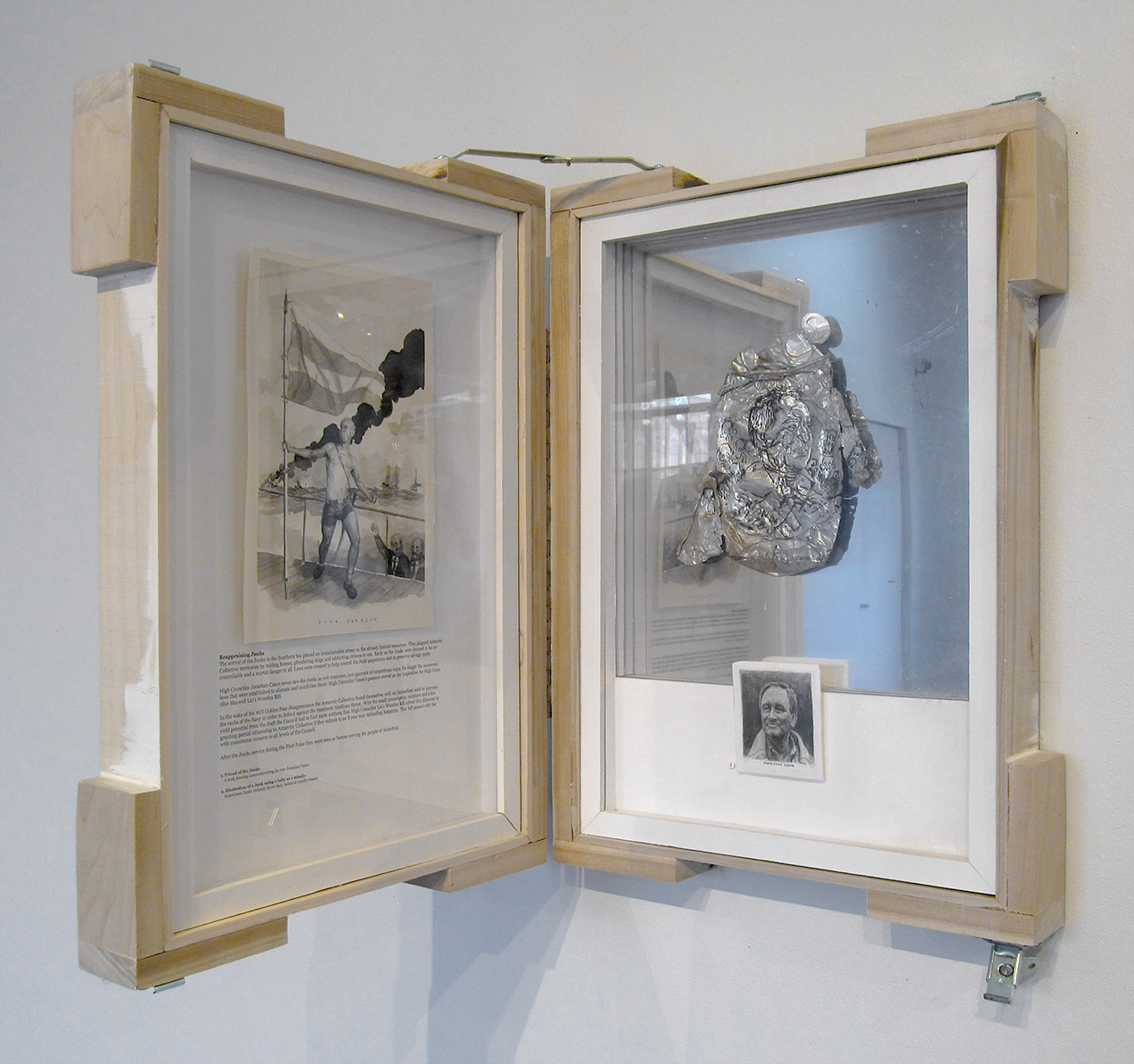
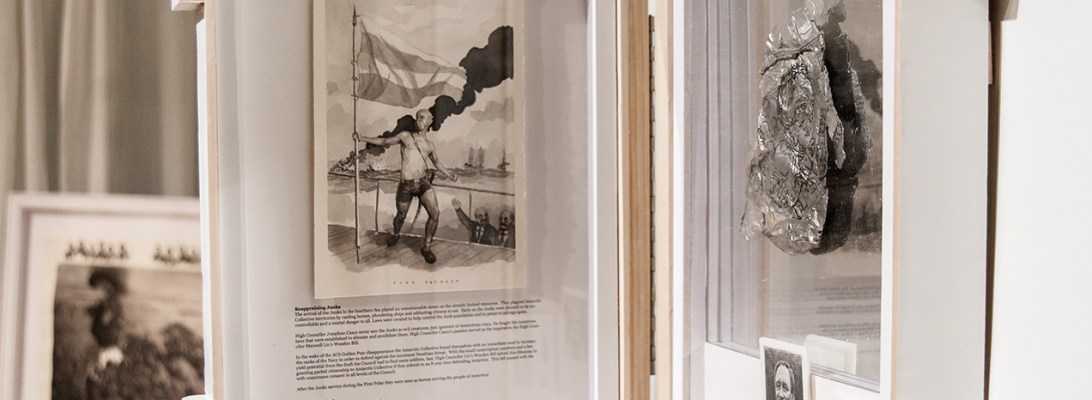
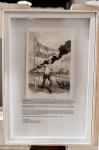
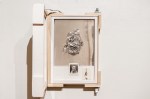
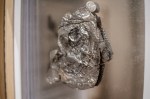
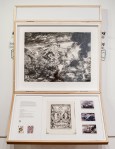
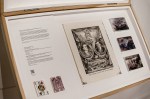
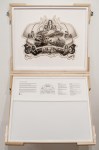
The so-called “Junks” sailed into the region in vessels that resembled a heap of rubbish more than a ship. With their emergence in the early 24th century, these orphans of the climate crisis complicated life within the Southern Sea
Their rise brought terror to the region as they raided homes, plundered ships, stole salvage and abducted citizens for food. Deemed a dire threat to free life, the Antarctic Collective established laws to control the Junk population and preserve citizens’ salvage claims.
As the events leading into the First Polar War unfolded, the Antarctic Council found themselves with an immediate need to increase the Defense Force ranks. They reached out to regional Junks for help fighting against the northern invaders. This exhibition commemorates our unlikely ally in a fight against a greater menace.





2013 | Group Exhibition |
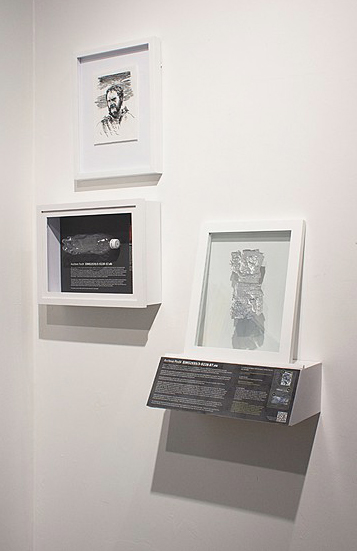
History is a malleable enterprise subject to the whims and desires of its writers. In this process, photographs become enunciations of the selected truths we use to inform ourselves about the past. The artists in this exhibition prefer another move: through intense investigations of the present, the included paintings, drawings, objects, and narratives fold imagined pasts and futures back onto today. We are implicated in the invented politics, photo-based colors, and historical frameworks that remain recognizable in paint, pencil, and assemblage.
As an alternative to the stipulations of photographs and their supporting texts, the brush, pencil, and object can enact the past (remains) and future (results) as an alternative model for understanding the present (or as yet unfixed history). Instead of relying on the assertion of technological record, they imagine what never was or what may not be. The works presented here are revisions to what is already known. They examine conditions such as dread, cynicism, apathy, hope, fear—all of which are apparent in the constant flow of information we call history. Susan Sontag once noted that the constant flow of technological imagery produces ‘collective instruction’, not collective memory. Using the flow of image-based information in history as their point of departure, the artists here fabricate memory in both forward and backward orientations, compromising the familiar politics of historical determinism.
With works by Sean Downey, Mary Mattingly, and Eric Petitti
Curated by Scott Patrick Wiener

2011 | Solo Exhibition |
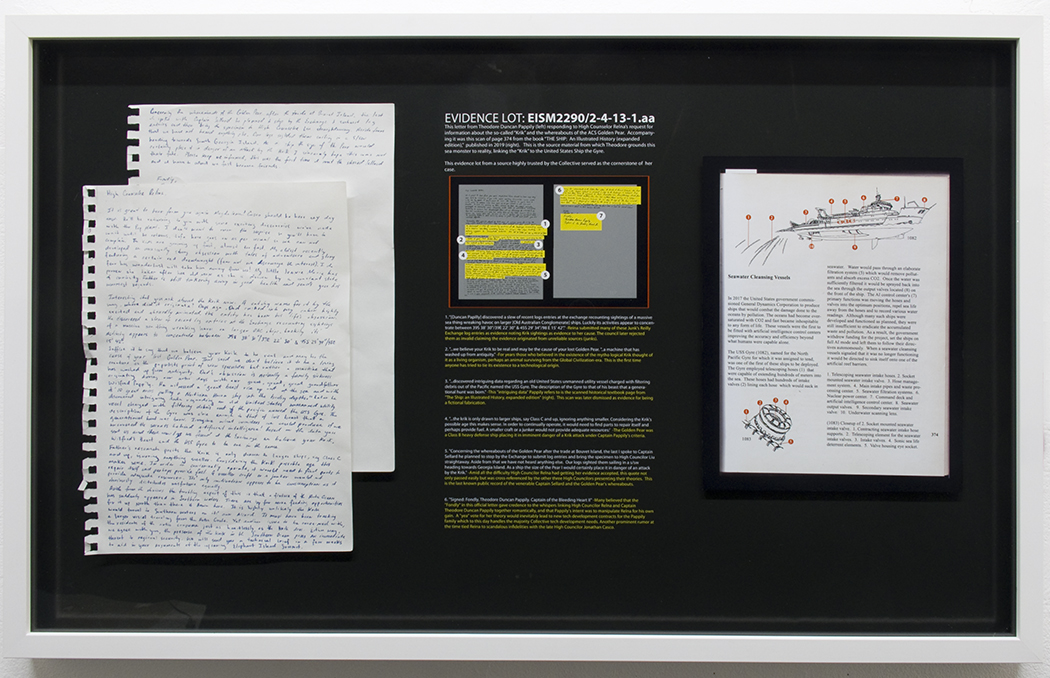
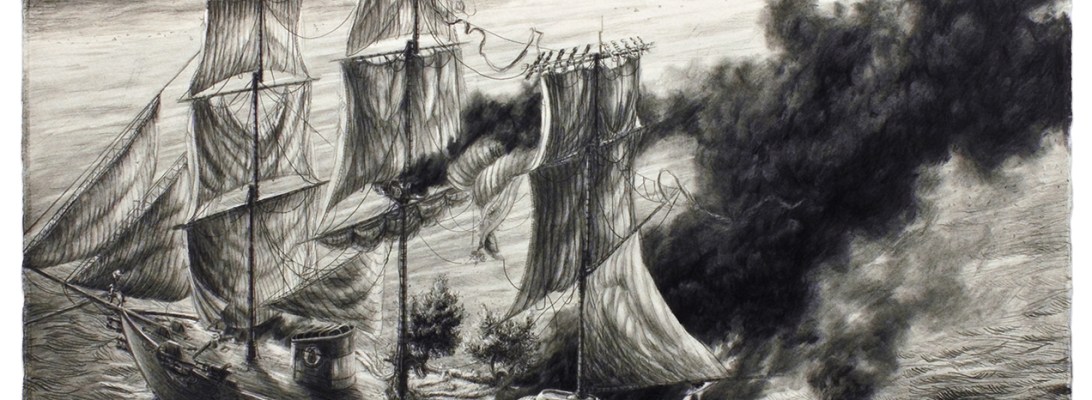
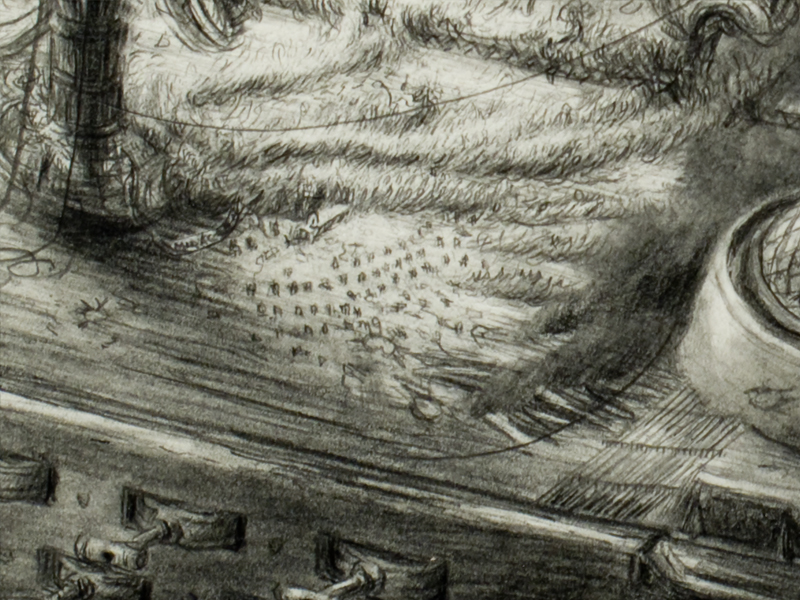
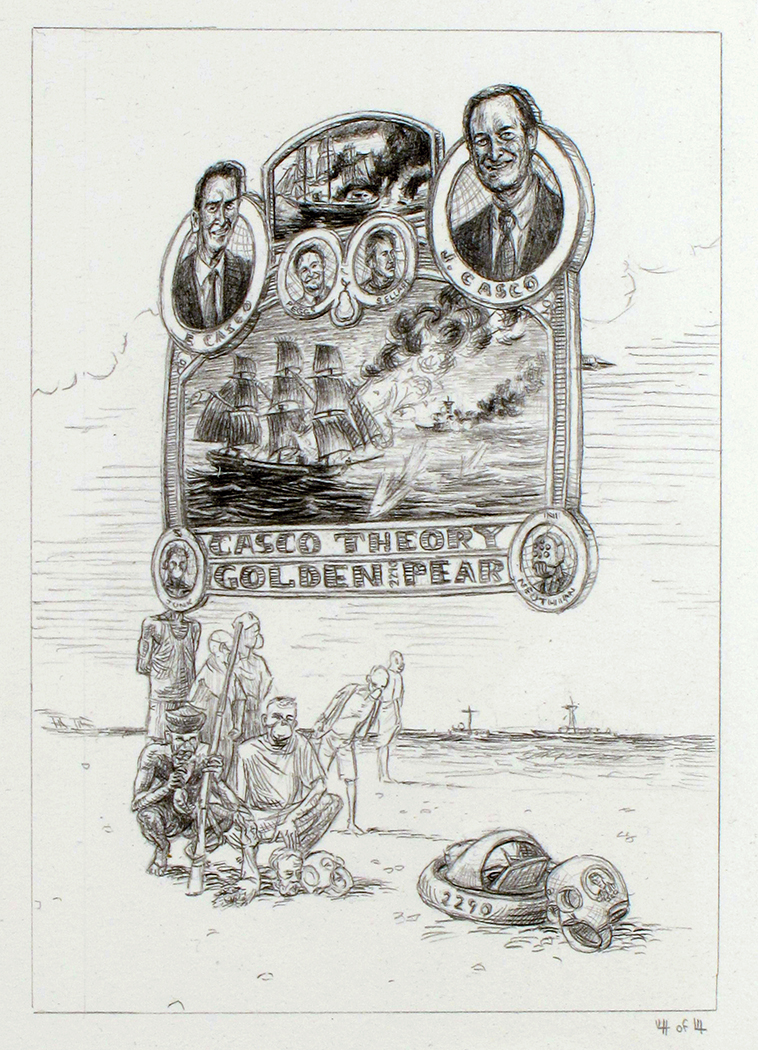
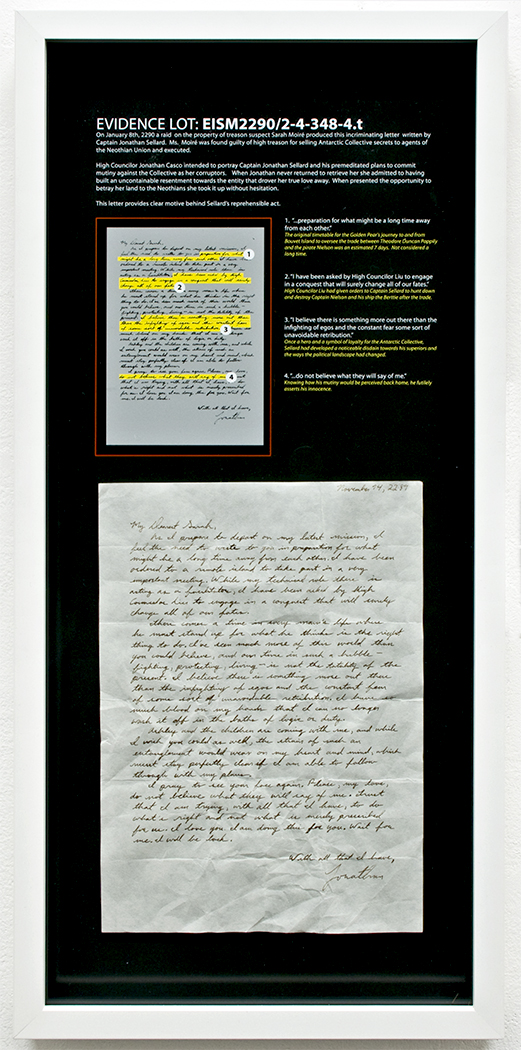
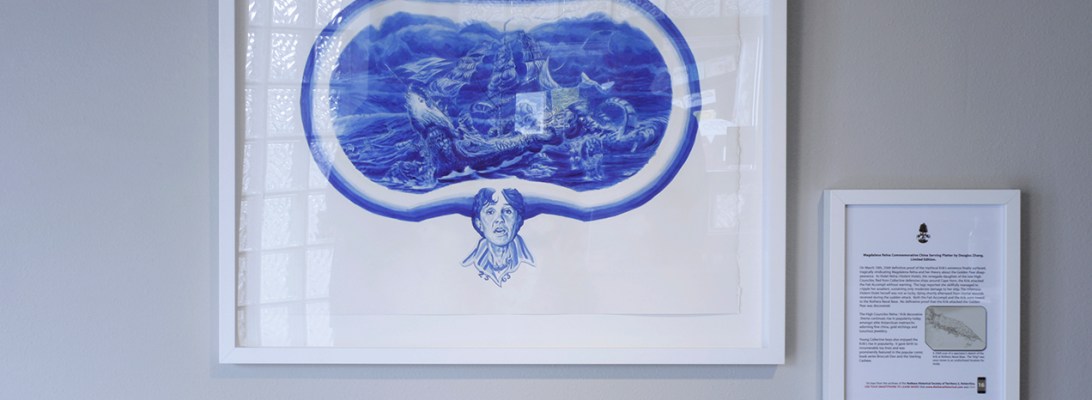
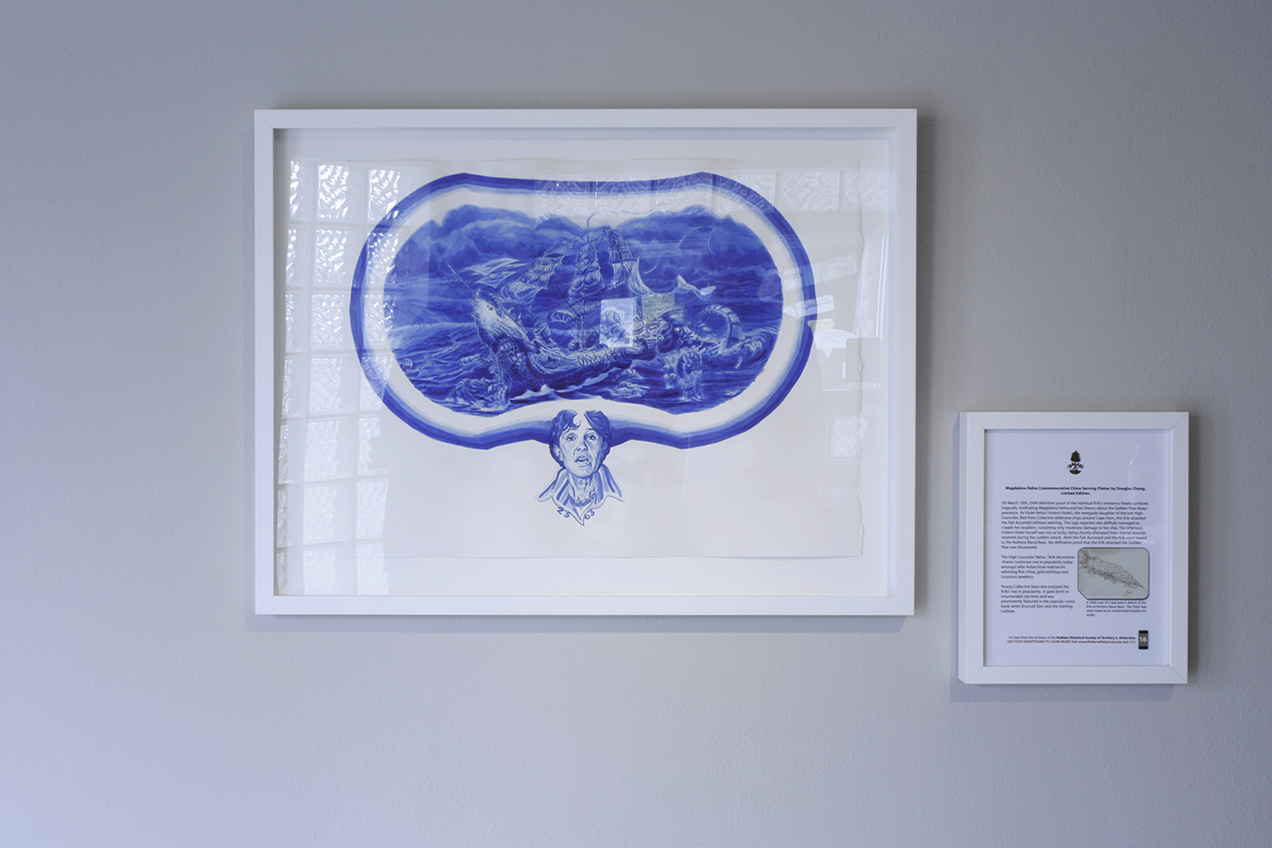
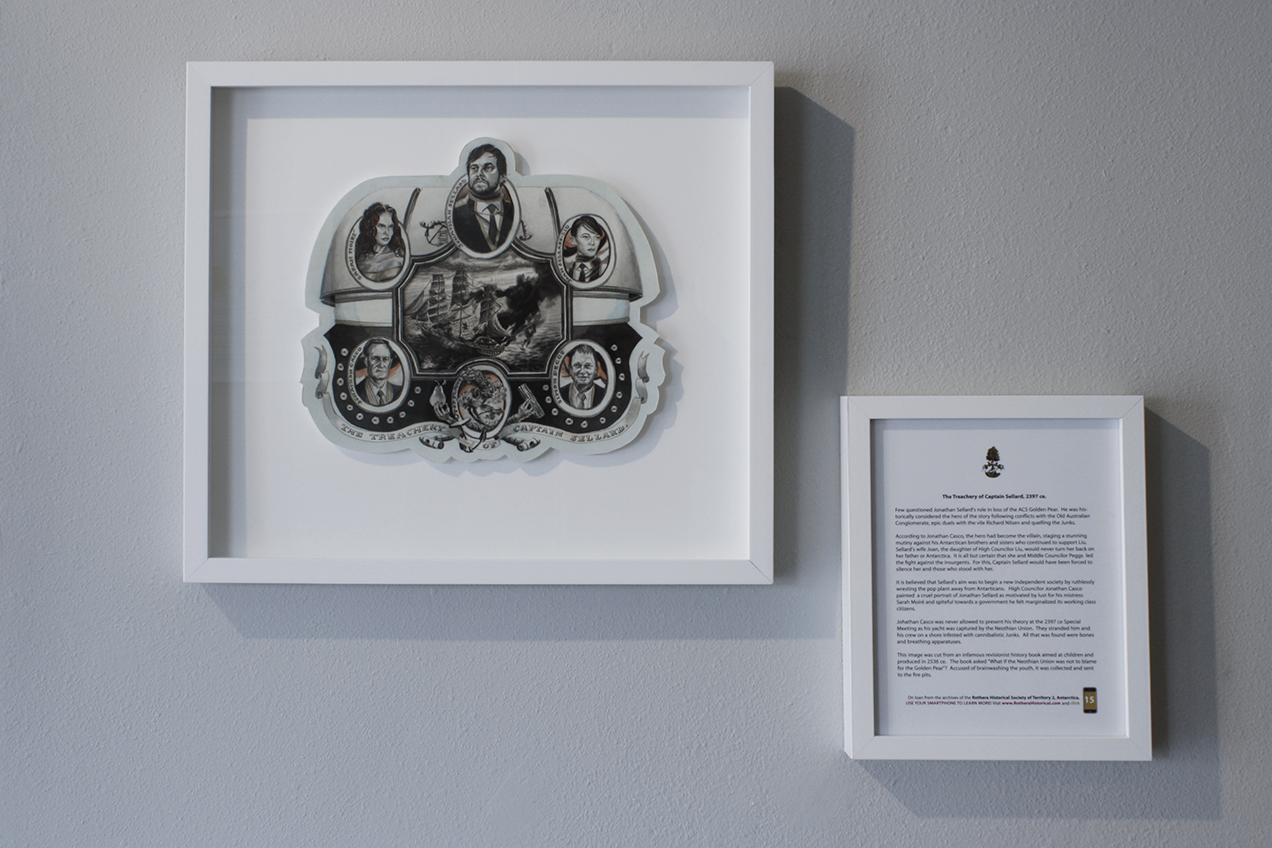
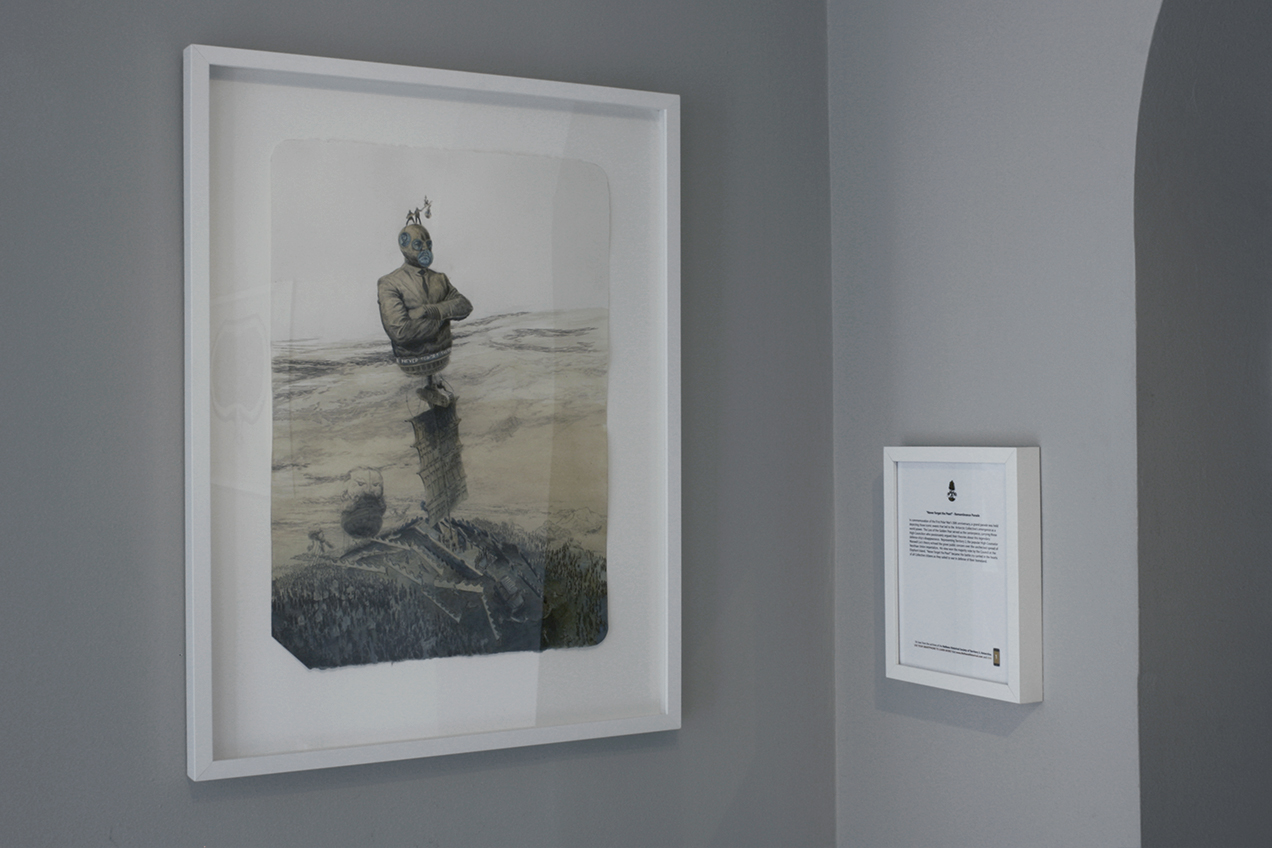
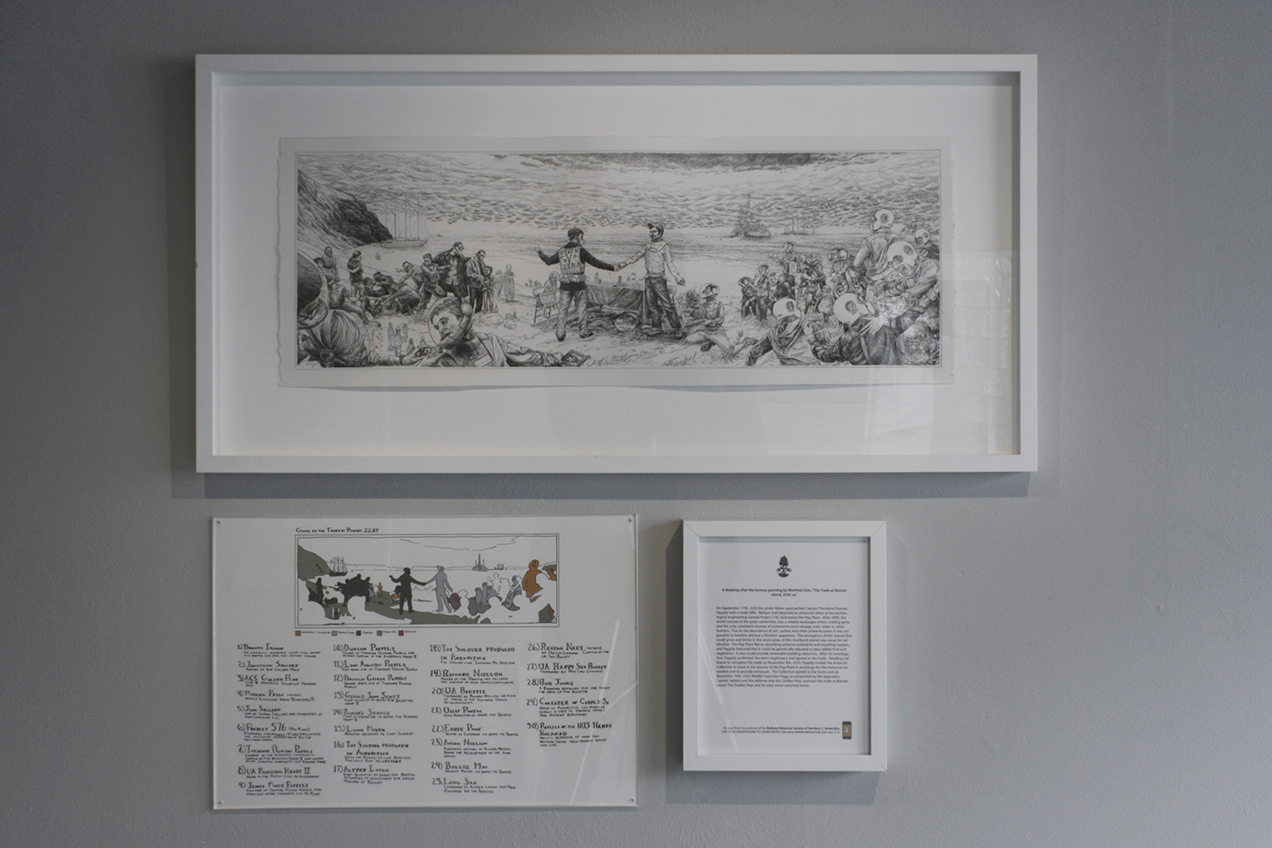
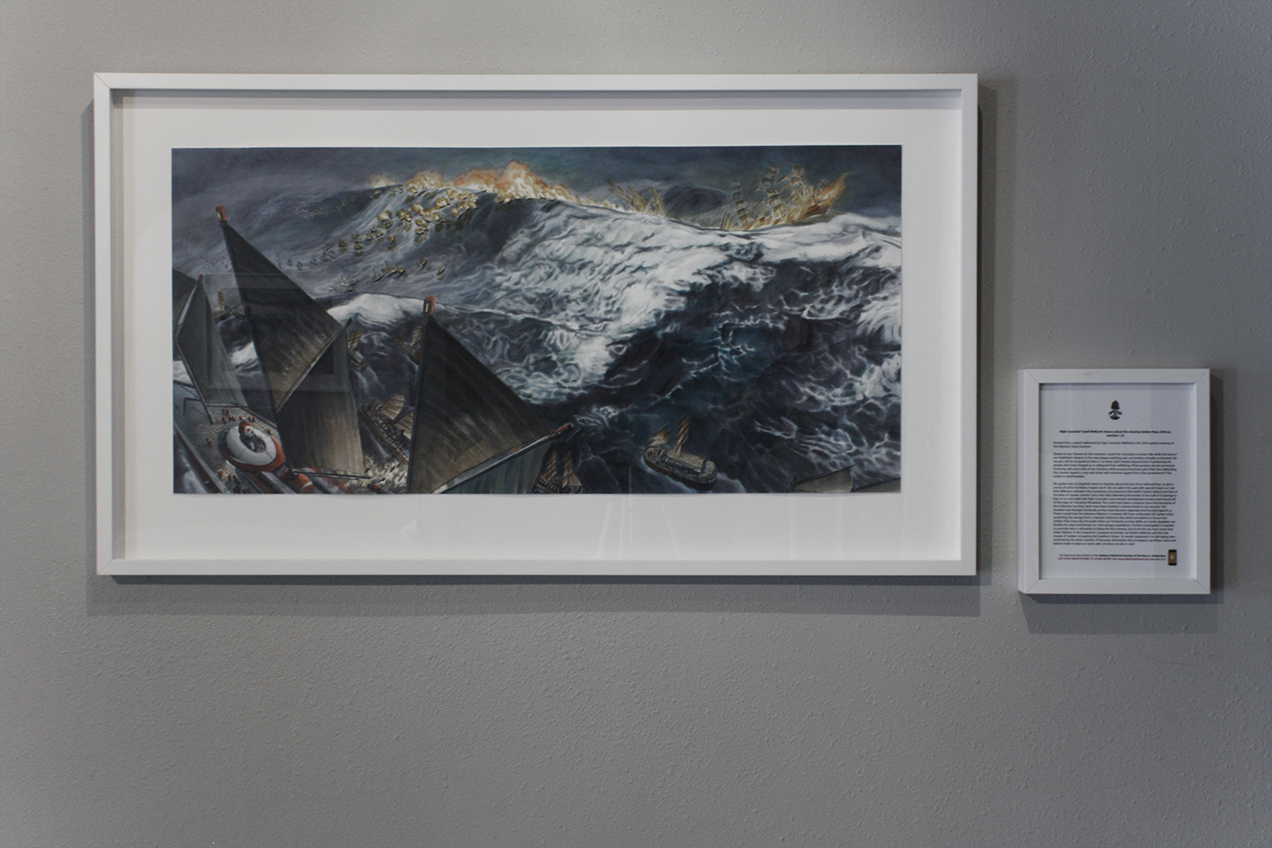
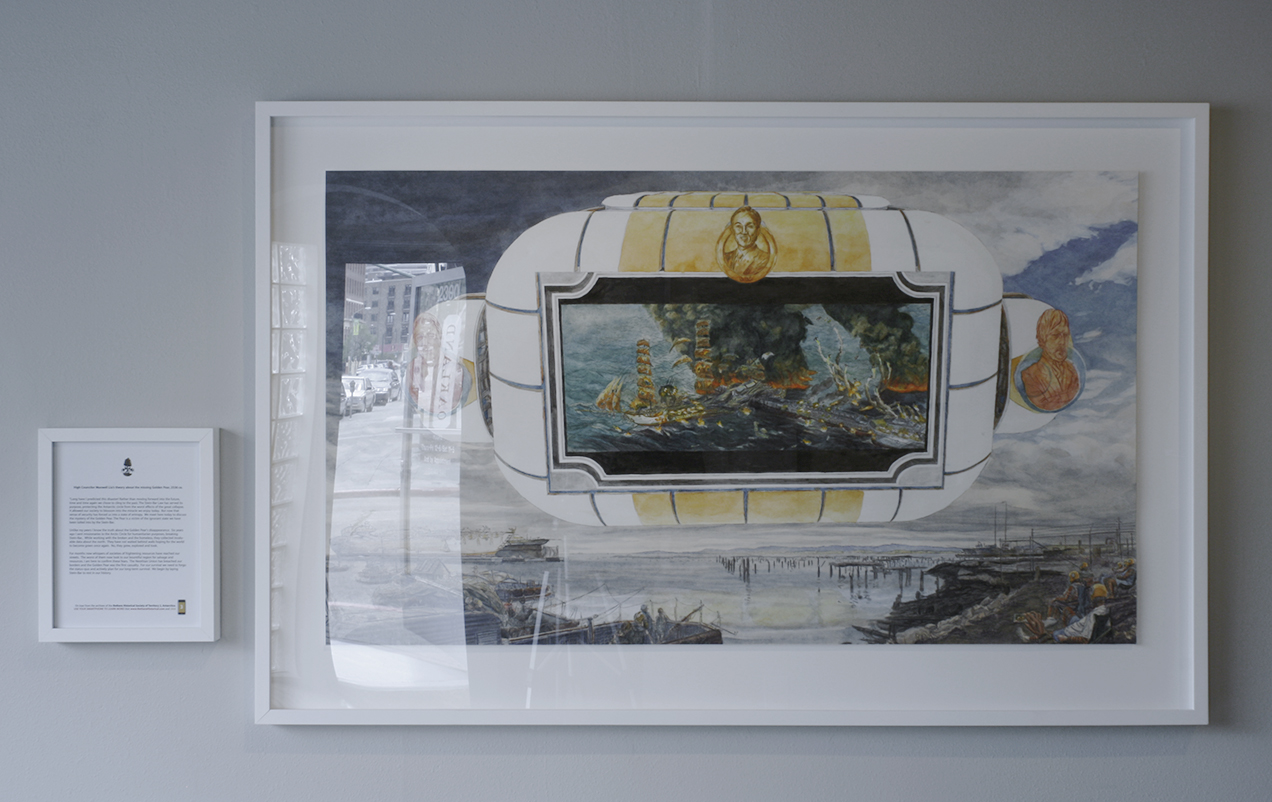
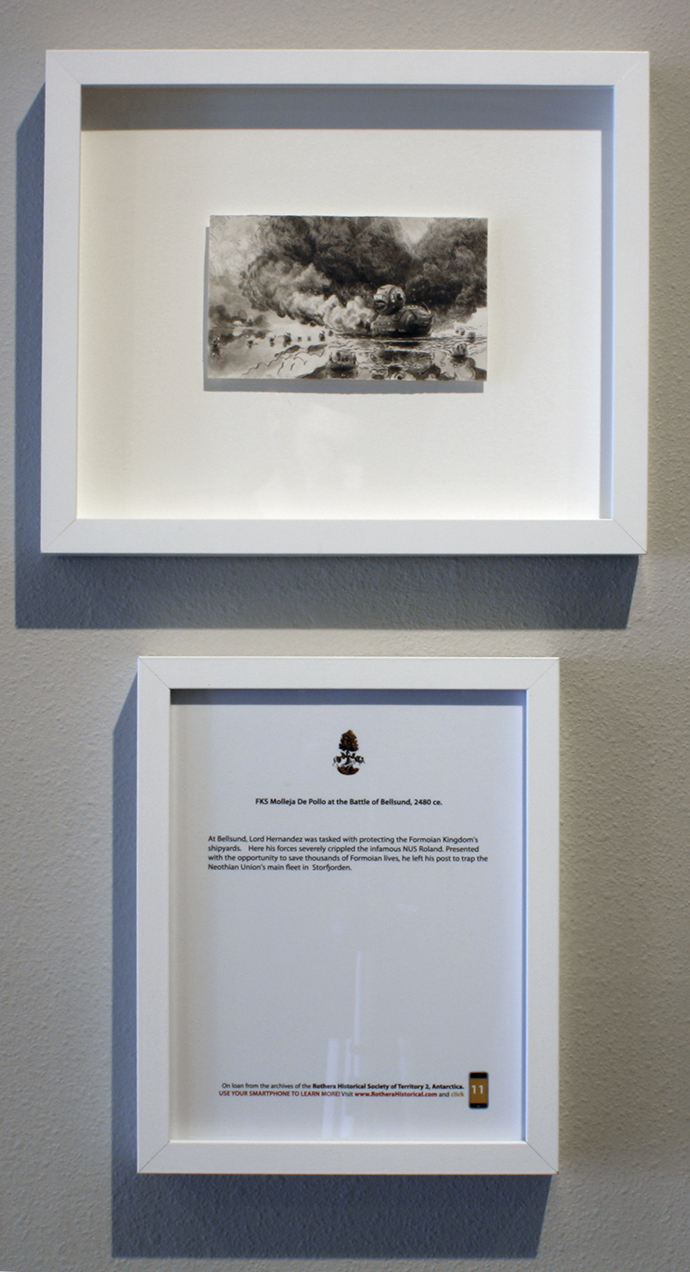
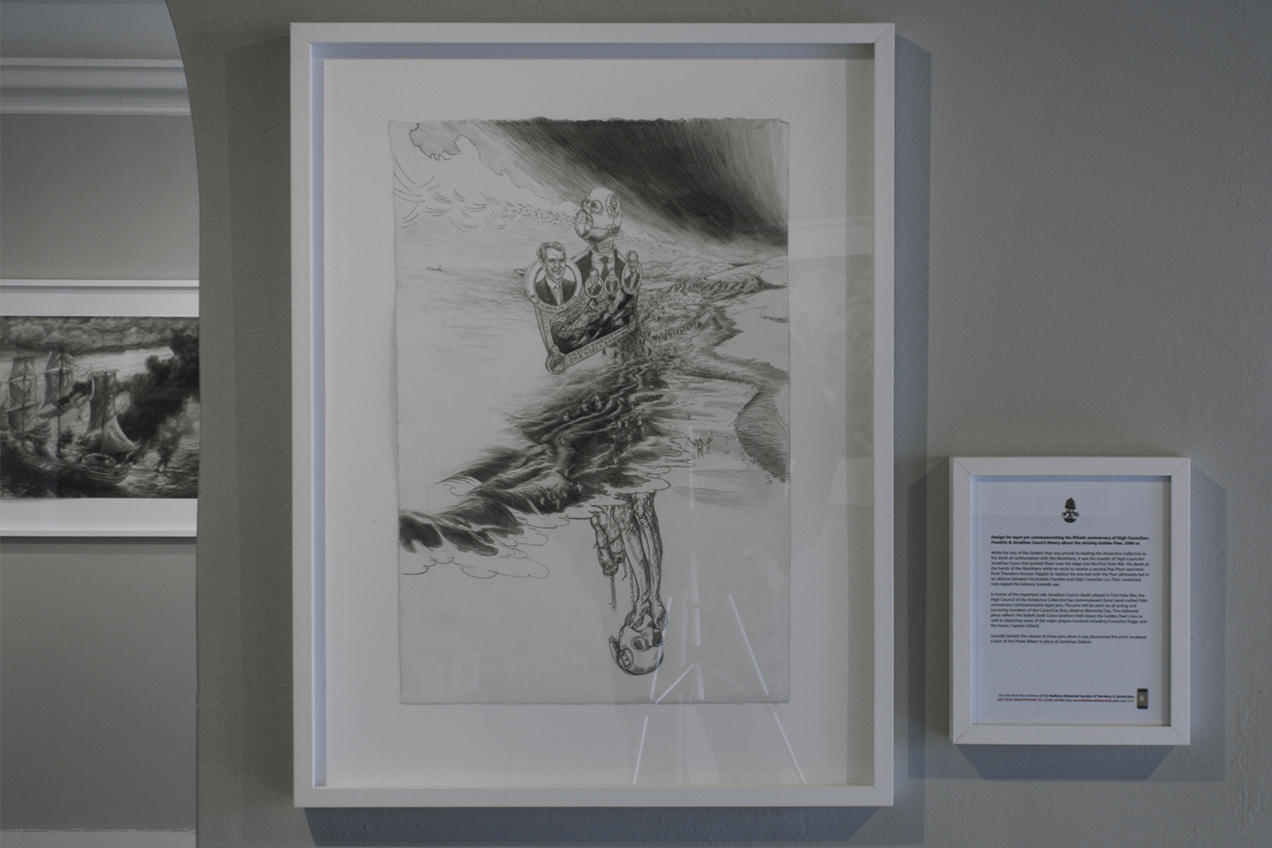
In Loss Revision, Eric Petitti presents a series of works excerpted from his project “The Dreadnaught Saga”. The project is designed to emphasize the ways in which depictions of history can distort the past in order to influence the present. On close inspection, the details within the work offer different perspectives either embracing the larger story or contradicting the truth that they claim to espouse. This exhibit presents the competing theories put forth to explain the disappearance of the legendary defense ship the Golden Pear in 2535 CE, whose loss led to the First Polar War between the Antarctic Collective and the Neothian Union.


 3R1C P3T1TT1